Source Dip Sampling High Voltage Resistor for Audio, Medical, Radio
Find Dip Sampling High Voltage Resistor options from 30 suppliers offering fixed and shunt types for audio, medical apparatus, and radio applications. Compare specifications including resistance ranges, temperature coefficients, and packaging to select the right component for your circuit needs.
Key considerations
Products List


$1.00 - $100.00
MOQ: 100 Pieces


Circuit Beaker Contact Resistance Meter High Precision Loop Resistance Tester
$500.00 - $700.00
MOQ: 1 Pieces

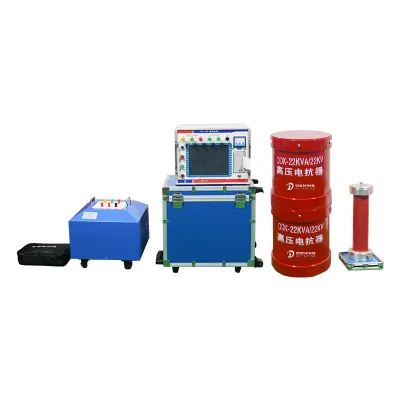

Variable Frequency AC Series Resonance Withstand Voltage Test Equipment
$2000.00 - $20000.00
MOQ: 1 Sets

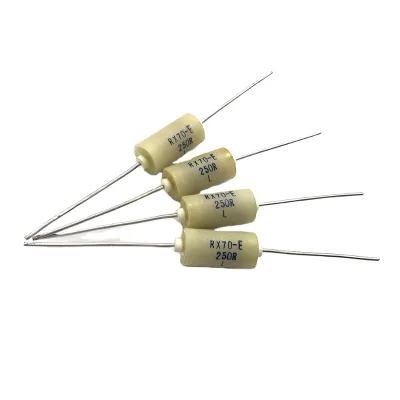
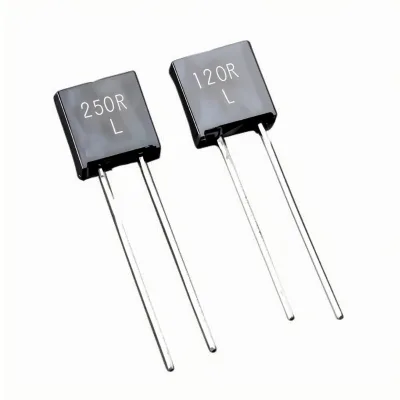


High Voltage Insulation Resistance Tester for Precision Measurements
$2400.00 - $3400.00
MOQ: 1 Pieces


High Voltage Transformer Resistance Tester for Accurate Measurements
$2400.00 - $3400.00
MOQ: 1 Pieces

Comprehensive Sourcing Guide
Strategic Sourcing Guide for DIP Sampling High Voltage Resistors
Navigating the procurement landscape for Dip In-Line Package (DIP) sampling high voltage resistors requires a disciplined approach that balances technical precision with supply chain reliability. These components are critical in applications ranging from medical instrumentation to high-voltage power monitoring, where signal integrity and safety are paramount. Buyers must distinguish between generic fixed resistors and specialized high-voltage sampling units, as the latter often demand specific construction features, such as laminated or cylindrical shapes, to withstand elevated potential differences. The following guide outlines the essential criteria for evaluating potential suppliers and selecting the correct component specifications without relying on unverified market claims.
Technical Specification Analysis and Parameter Verification
The foundation of a successful procurement strategy lies in a rigorous analysis of technical specifications. For DIP sampling high voltage resistors, the resistance range is a primary differentiator. Available data indicates a broad spectrum of resistance values, with observed ranges extending from 1 ohm to 20 milliohms for specific shunt applications, while other series may offer fixed values in the kilohm to megohm range, such as 1K to 10t. Buyers must verify the exact resistance value required for their circuit design, as the tolerance levels can vary significantly. Common tolerance specifications include 1%, 5%, and 10%, though high-precision applications may require tighter tolerances like 0.5%.
Temperature and voltage coefficients are equally critical for high-voltage stability. The temperature coefficient of resistance (TCR) determines how the resistance value shifts with ambient temperature changes. Observed specifications show TCR values ranging from 200ppm/°C to as low as 25ppm/°C, with voltage coefficients (VCR) potentially as low as 0.05ppm for high-precision units. When sourcing for high-voltage environments, it is essential to confirm the voltage coefficient, which is listed as a maximum of 1% Kv/in in some product lines. Additionally, the operating ambient temperature range must be validated; typical industrial specifications cover -55°C to +125°C, ensuring reliability in extreme conditions.
Physical dimensions and packaging formats also dictate compatibility with existing PCB layouts. The standard physical dimensions observed include 27130mm for certain models, while others may be specified as 1.210mm or D8.2 with lengths varying from 154mm down to 20mm. The diameter of the resistive element can range from 0.5mm to 2.0mm. Buyers should verify if the component is available in a DIP format, as this is a specific requirement for through-hole assembly, or if surface mount options are necessary. The shape of the resistor, whether laminated, cylindrical, or square, impacts the mechanical strength and heat dissipation capabilities, which are vital for high-voltage sampling tasks.
Compliance, Certification, and Safety Standards
Ensuring that components meet international safety and quality standards is non-negotiable in high-voltage applications. While specific product listings may reference certifications such as ISO9001, buyers must independently verify the current status of these certifications for the specific manufacturing batch or facility. The industry often adheres to standards like IEC62368-1 and IEC 60950-1 for safety in information technology and audio/video equipment, respectively. However, these standards should be treated as reference points for verification rather than guaranteed attributes of every listed product.
When evaluating suppliers, procurement teams should request valid certification documents and confirm that the manufacturing process aligns with the claimed standards. The origin of the product, often listed as Shenzhen or generally China, should be cross-referenced with the supplier's ability to provide traceable documentation. Compliance is not merely about having a certificate; it involves understanding the scope of that certificate and ensuring it covers the specific high-voltage sampling technology being procured. Buyers should also inquire about special versions or custom standard options, as some manufacturers offer flexibility to meet unique regulatory requirements in medical or industrial sectors.
Cost Drivers and Pricing Structure Evaluation
Understanding the cost drivers for DIP sampling high voltage resistors is essential for budgeting and total cost of ownership analysis. The price range observed in the market spans from 0 to 20,000 USD, a vast disparity that reflects differences in precision, voltage rating, volume, and customization levels. High-precision resistors with low TCR and VCR values, such as those with 25ppm and 0.05ppm respectively, typically command higher prices due to the advanced materials and tighter manufacturing controls required.
Minimum Order Quantity (MOQ) is another significant factor influencing unit cost. The observed MOQ ranges from 1 unit to 5,000 units. Suppliers offering low MOQs may charge a premium per unit, whereas bulk purchases often benefit from economies of scale. Buyers must balance the need for immediate prototyping or low-volume production against the cost benefits of larger orders. Additionally, customization availability is a key cost driver. Products that offer customization options, such as specific resistance values or unique packaging, may incur additional setup or tooling costs. The packaging type, whether plastic bags, cartons, or boxes, can also impact logistics costs and should be factored into the overall procurement budget.
Typical Applications and Functional Requirements
DIP sampling high voltage resistors serve diverse applications across multiple industries, each with distinct functional requirements. The primary function for these resistors often includes sampling, shunting, and load management. In radio and audio applications, the resistor must maintain signal fidelity while handling high voltages, requiring stable resistance values and low noise characteristics. Medical apparatus and instruments demand the highest levels of reliability and safety, necessitating resistors that can operate consistently within strict temperature and voltage parameters.
The functional classification of the resistor, such as shunt resistor, load resistor, or protective resistor, dictates its role in the circuit. Shunt resistors are commonly used for current measurement, while protective resistors safeguard sensitive components from voltage spikes. The resistance change scale is typically linear, ensuring predictable performance across the operating range. Buyers should match the specific application needs with the resistor's functional capabilities. For instance, a sampling resistor used in a high-voltage power supply must have a different voltage coefficient and power rating compared to a load resistor used in a consumer audio device.
Supplier Evaluation and Capability Assessment
Selecting the right supplier involves a comprehensive evaluation of their technical capabilities, production capacity, and quality management systems. Suppliers should be assessed based on their ability to provide the specific product models observed in the market, such as RI80C, HMR, HO, JU, RI80, and the ultra-Mox series. Each model may have unique characteristics, such as specific standard dimensions or packaging types, that must align with the buyer's requirements.
The supplier's origin, often Shenzhen or China, should be verified for logistical efficiency and regulatory compliance. Buyers should also evaluate the supplier's inventory management and lead time capabilities, although specific lead times are not provided in the source data. A robust supplier will offer clear communication regarding product availability, customization options, and any potential delays. The ability to provide single connections or handle large volume orders is also a critical factor in supplier selection.
Quality Control and Performance Validation
Quality control is paramount when sourcing high-voltage components. Buyers must implement a rigorous validation process that includes verifying the resistance deviation, temperature coefficient, and voltage coefficient against the provided specifications. The observed resistance deviation of 1%, 5%, or 10% must be confirmed through testing or certification. Similarly, the operating ambient temperature range of -55°C to +125°C should be validated to ensure the component can withstand the intended environmental conditions.
Performance validation should also include checking the physical attributes, such as the shape (laminated, cylindrical, square) and packaging (through-hole, surface mount). The resistance value, ranging from 3mΩ to higher values, must be verified to ensure it meets the circuit design requirements. Buyers should request test reports or quality assurance documentation from the supplier to confirm that the products meet the stated specifications. This due diligence helps mitigate the risk of component failure in critical applications.
Long-Term Procurement and Supply Chain Resilience
Long-term procurement strategies for DIP sampling high voltage resistors require a focus on supply chain resilience and product lifecycle management. Buyers should consider the availability of replacement parts and the supplier's ability to maintain consistent quality over time. The product models observed, such as RI80C and HMR, should be evaluated for their longevity and compatibility with future designs. Customization options, such as special versions or specific standard dimensions, can provide flexibility for future product iterations.
Procurement teams should also monitor market trends and technological advancements that may impact the availability of specific resistor types. Building a strong relationship with suppliers who offer customization and support for special orders can enhance supply chain stability. Additionally, maintaining a diverse supplier base can mitigate risks associated with single-source dependencies. By focusing on these long-term considerations, buyers can ensure a reliable supply of high-quality DIP sampling high voltage resistors for their critical applications.
Comparative Overview of Key Product Attributes
To assist in the decision-making process, the following table summarizes the key attributes observed in the market for DIP sampling high voltage resistors. This comparison highlights the variability in specifications and helps buyers identify the most suitable options for their specific needs.
| Attribute | Observed Range/Value | Notes for Verification |
|---|---|---|
| Resistance Range | 1Ω ~ 20mΩ (Shunt) / 1K-10t (Fixed) | Verify exact value and tolerance (1%, 5%, 10%, 0.5%) |
| Temperature Coefficient | 200ppm/°C to 25ppm | Check TCR for thermal stability requirements |
| Voltage Coefficient | Max 1% Kv/in to 0.05ppm | Critical for high-voltage precision applications |
| Operating Temp | -55°C ~ +125°C | Ensure compatibility with environmental conditions |
| Shape | Laminated, Cylinder, Square | Match mechanical constraints and heat dissipation needs |
| Packaging | Through Hole, Surface Mount | Confirm DIP compatibility for assembly method |
| Dimensions | 27130mm, 1.210mm, D8.2 L:154-20mm | Verify PCB footprint and mounting requirements |
| Certification | ISO9001 (Verify current status) | Request valid certificates for quality assurance |
| Origin | Shenzhen, China | Assess logistics and regulatory compliance |
| MOQ | 1 to 5,000 Units | Balance volume needs with cost efficiency |
By adhering to these guidelines and verifying all specifications against the supplied data, buyers can make informed decisions that ensure the reliability and performance of their high-voltage sampling systems.
FAQs
What resistance range is available for dip sampling high voltage resistors?
The available resistance range spans from 1 ohm to 20 milliohms for shunt applications, while fixed resistors may reach 1K to 10t. Buyers must verify the exact value required, as tolerance levels vary between 0.5% and 10% depending on the specific model series selected.
Which temperature coefficient values are observed for these resistors?
Observed temperature coefficients range from 200ppm/°C down to 25ppm for high-precision units. These values determine how resistance shifts with ambient temperature, ensuring reliability within the operating range of -55°C to +125°C for industrial and medical applications.
Can these resistors be customized for specific resistance values?
Yes, customization is available for specific resistance values and unique packaging requirements. Suppliers often offer special versions or standard dimensions like 27*130mm, allowing buyers to tailor components for radio, audio, or medical apparatus without compromising on performance or safety standards.
What certifications do manufacturers typically hold for these components?
Manufacturers often hold ISO9001 certification to ensure quality management system compliance. Buyers should verify the current status of these certificates for specific batches, as international safety standards like IEC62368-1 serve as reference points rather than guaranteed attributes for every listed product.
How do packaging options affect the procurement of these resistors?
Packaging options include plastic bags, cartons, and boxes, with formats like through-hole or surface mount available. The choice impacts logistics costs and PCB compatibility, so buyers must confirm if the component fits their assembly method, such as DIP resistor installation or surface mount technology.
What is the minimum order quantity for sourcing these resistors?
The minimum order quantity ranges from 1 unit to 5,000 units depending on the supplier and customization needs. Lower MOQs may incur higher unit costs, while bulk purchases benefit from economies of scale, requiring buyers to balance prototyping needs against long-term volume requirements.
Which applications are suitable for dip sampling high voltage resistors?
These resistors are suitable for radio, audio, and medical apparatus applications requiring signal fidelity and safety. Their functions include sampling, shunting, and load management, making them ideal for high-voltage power monitoring where stable resistance values and low noise characteristics are critical for circuit integrity.